Introduction: Why More Homeowners Are Turning to Solar Energy
Over the past few years, solar energy has moved from being a “nice idea” to a real-world solution for everyday homeowners. Rising electricity bills, unstable power supply, and growing awareness of environmental issues have pushed many people to rethink how they power their homes.
In 2026, solar energy is no longer complicated or out of reach. Technology has improved, prices have dropped, and residential solar systems are now designed with homeowners in mind. Whether you live in a city suburb or a semi-rural area, solar energy offers a reliable way to cut long-term costs while gaining more control over your electricity use.
This guide breaks everything down in simple terms—from how solar energy works to real installation costs, savings potential, and how to choose the right solar system for your home.
What Exactly Is Solar Energy and How Does It Power a Home?
Solar energy is electricity generated from sunlight using specially designed panels. These panels are usually installed on rooftops where they receive maximum sun exposure throughout the day.
How Solar Energy Works in Real Life
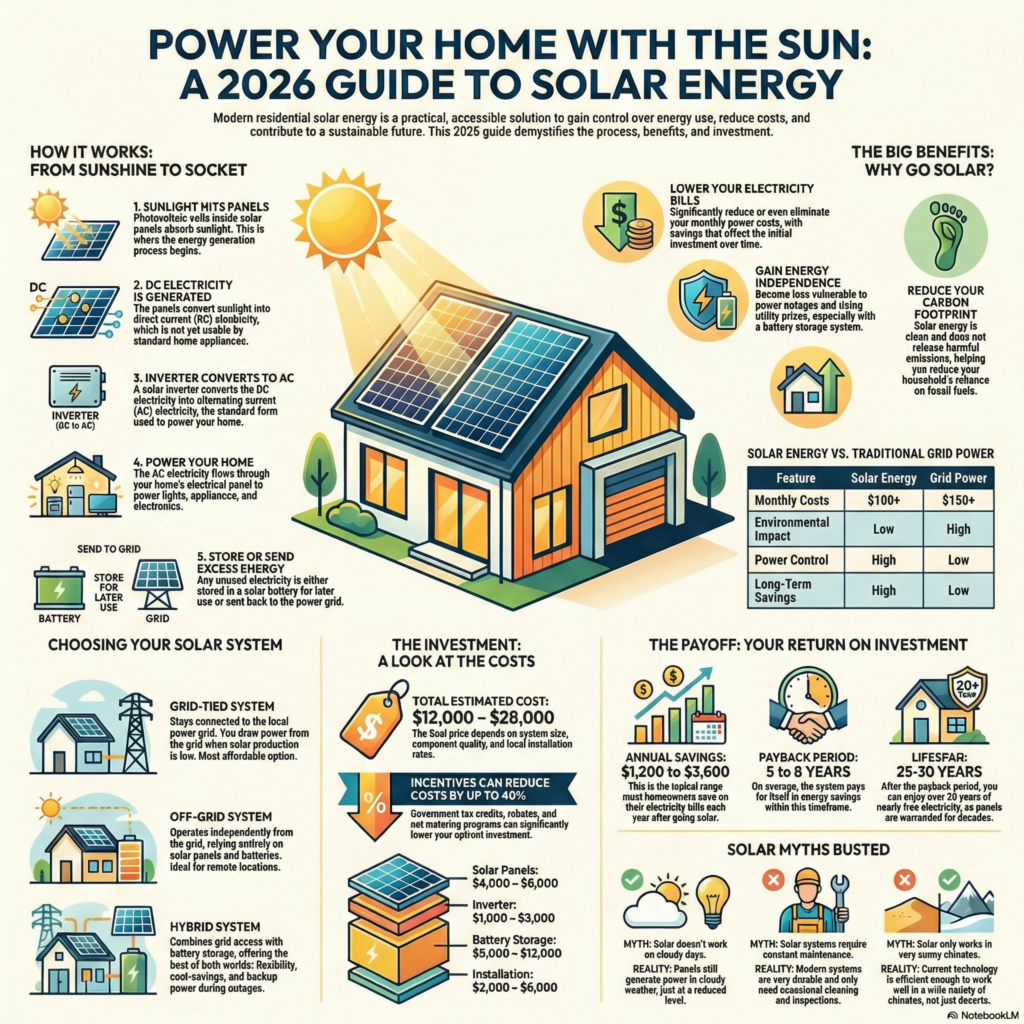
First, sunlight hits the surface of the solar panels. Inside the panels are photovoltaic cells that react to sunlight and generate direct current (DC) electricity. Since homes use alternating current (AC), a solar inverter converts this electricity into a usable form.
Once converted, the electricity powers your home appliances. If your system produces more energy than you use, the extra power is either stored in batteries or sent back to the electrical grid, depending on your setup.
The entire process happens silently and cleanly, without producing smoke, noise, or pollution.
Why Solar Energy Makes Sense for Homeowners
Lower Electricity Bills Month After Month
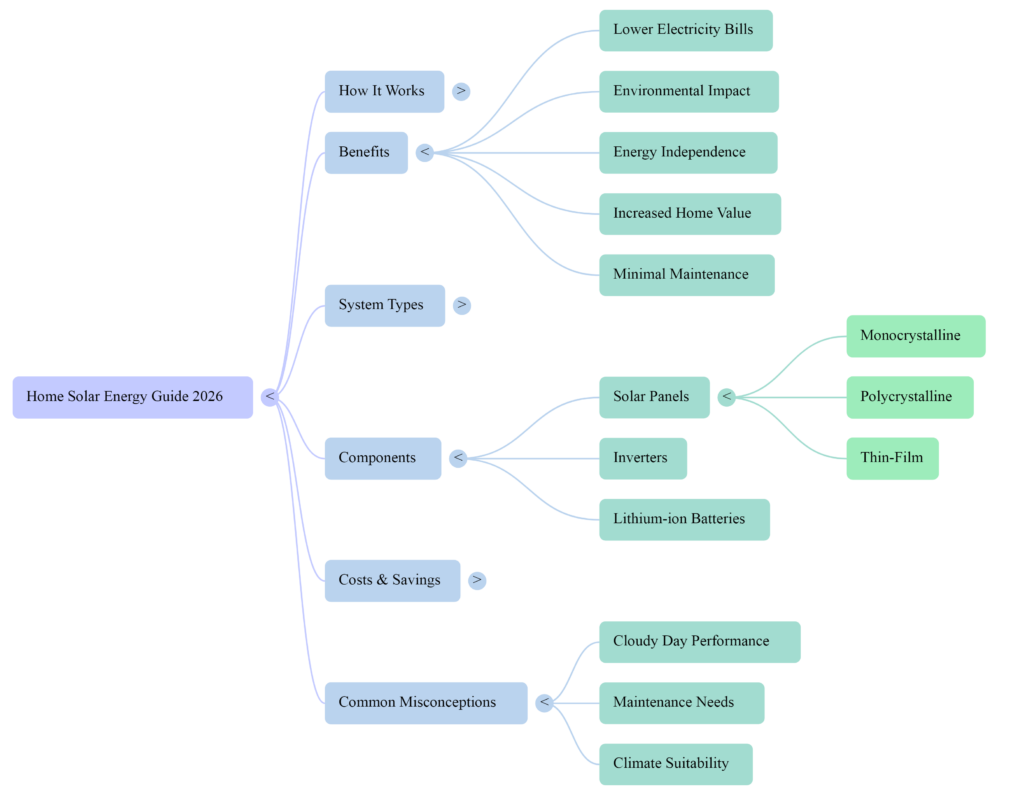
One of the most noticeable benefits of solar energy is the reduction in electricity bills. In many cases, homeowners see their monthly power costs drop significantly, especially during sunny months.
Over time, these savings add up and help offset the initial installation cost.
Cleaner Energy With Less Environmental Impact
Solar energy does not release harmful emissions during operation. By switching to solar, homeowners reduce their dependence on fossil fuels and contribute to a cleaner environment.
Greater Energy Independence
With a solar system—especially one that includes battery storage—you’re less affected by power outages, fuel shortages, or sudden price hikes from utility companies.
Increased Home Value
Homes with solar energy systems are often more attractive to buyers. Many people see solar as a long-term upgrade that reduces future living expenses.
Minimal Maintenance Requirements
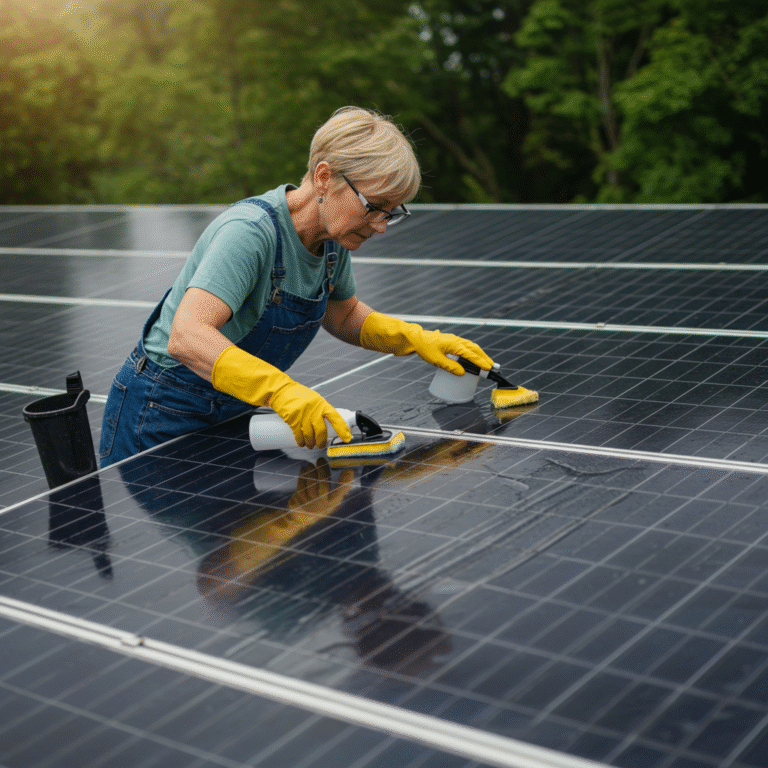
Once installed, solar systems require very little upkeep. Occasional cleaning and routine checks are usually enough to keep the system running efficiently.
Types of Solar Energy Systems for Residential Use
Not all solar systems work the same way. The right choice depends on your location, budget, and energy needs.
Grid-Tied Solar Systems
These systems remain connected to the local power grid. They are generally more affordable and allow homeowners to use grid power when solar production is low.
Off-Grid Solar Systems
Off-grid systems operate independently and rely entirely on solar panels and batteries. They are common in remote areas without reliable grid access.
Hybrid Solar Systems
Hybrid systems combine grid access with battery storage. This setup provides flexibility, backup power, and better energy control, making it a popular option for modern homes.
Choosing the Right Solar Panels for Your Home
Monocrystalline Panels
These panels offer high efficiency and perform well even in limited roof space. They are typically more expensive but last longer.
Polycrystalline Panels
More affordable than monocrystalline panels, these work well when roof space is not a concern.
Thin-Film Panels
Lightweight and flexible, but usually less efficient. They are used for specific applications rather than standard homes.
For most homeowners, monocrystalline panels provide the best balance between performance and durability.
Understanding Solar Inverters and Battery Storage
A solar inverter plays a key role in system performance. Without it, solar electricity cannot be used inside the home. Hybrid inverters are becoming increasingly popular because they work seamlessly with batteries.
Solar batteries store unused energy so it can be used at night or during outages. Lithium-ion batteries are preferred due to their longer lifespan and higher efficiency.
How Much Does a Solar Energy System Cost in 2026?
Solar installation costs depend on system size, equipment quality, and local labor rates.
| Component | Typical Cost Range |
|---|---|
| Solar Panels | $4,000 – $8,000 |
| Inverter | $1,000 – $3,000 |
| Battery Storage | $5,000 – $12,000 |
| Installation | $2,000 – $5,000 |
| Total Estimated Cost | $12,000 – $28,000 |
While the upfront cost may seem high, incentives and long-term savings significantly reduce the overall expense.
Solar Incentives and Tax Benefits
Many governments encourage solar adoption by offering tax credits, rebates, and net metering programs. These incentives can reduce the initial cost by up to 40%, depending on your location.
Checking local solar policies before installation can make a big financial difference.
Is Solar Energy Worth the Investment?
Average Savings
Most homeowners save between $1,200 and $3,600 per year on electricity bills.
Payback Period
Solar systems typically pay for themselves within 5 to 8 years.
Long-Term Benefits
Since solar panels last 25–30 years, homeowners enjoy many years of nearly free electricity after the payback period.
What to Look for When Buying a Home Solar System
Before choosing a system, consider panel efficiency, warranty length, battery capacity, and inverter compatibility. Investing in reliable components ensures better performance and fewer issues over time.
Many homeowners prefer systems that offer expandable battery options and strong manufacturer warranties.
Common Misunderstandings About Solar Energy
Some people believe solar panels stop working on cloudy days, but they still generate power—just at a reduced level. Others assume solar systems need constant maintenance, which is not true for modern installations.
Another misconception is that solar is only for sunny regions. In reality, solar systems work efficiently in many climates.
Solar Energy vs Traditional Electricity
| Feature | Solar Energy | Grid Power |
|---|---|---|
| Monthly Costs | Lower over time | Rising |
| Environmental Impact | Clean | Polluting |
| Power Control | High | Limited |
| Long-Term Savings | Strong | Minimal |
Frequently Asked Questions
1. Is solar energy a good option in 2026?
Yes. Improved technology and lower costs make solar more practical than ever.
2. How long do solar panels usually last?
Most panels function efficiently for 25 to 30 years.
3. Can solar power run an entire home?
With proper system sizing and battery storage, yes.
4. Will solar panels work during blackouts?
Only systems with batteries or hybrid setups provide backup power.
5. Does solar energy require frequent maintenance?
No. Occasional cleaning and inspections are enough.
Conclusion: Is Solar Energy Right for Your Home?
Solar energy offers more than just environmental benefits—it provides long-term financial savings, energy security, and peace of mind. While the initial investment requires planning, the long-term rewards often outweigh the costs.
For homeowners looking to reduce electricity bills, protect against outages, and future-proof their homes, solar energy is a smart and sustainable choice in 2026.
If you plan carefully and choose quality components, a solar energy system can serve your home reliably for decades.